Your child isn't sleeping. Let's find out why.
Most sleep advice assumes every problem is a habit. Some are. Some aren't. This is physician-led, evidence-based information you can use tonight.
Start with your child's age
What's normal at six months isn't normal at six years. Pick the age closest to your child.
Aged 1 to 5 years
The nap drop, bedtime battles, stalling, night fears, and snoring.
See what's normalAged 13 to 18 years
Late nights, early school starts, and why "go to bed earlier" doesn't work.
See what's normalSomething doesn't feel right
Some sleep problems aren't habits. They're medical, and they're often missed, because a tired child at night can look like a busy or distracted child during the day. If you recognize several of these, it's worth a conversation with your child's doctor.
Breathing at night
- Snoring most nights of the week
- Breathing through the mouth while asleep
- Pauses in breathing, gasping, or snorting
- Sleeping with the neck stretched back or sitting up
Body at night
- Heavy sweating during sleep
- Bedwetting that returns after your child was dry at night
- An uncomfortable, restless feeling in the legs at bedtime
During the day
- Morning headaches
- Daytime sleepiness, or trouble focusing and sitting still
Teens
- Can't fall asleep before very late, no matter how early bedtime starts
Write down what you're seeing, how often, and how long it's been happening, and bring it to your child's doctor.
Find a PractitionerWhere this comes from
- Marcus CL, et al. Diagnosis and management of childhood obstructive sleep apnea syndrome. Pediatrics, 2012;130(3):576–584. American Academy of Pediatrics clinical practice guideline. Source of the snoring, breathing pauses and gasping, sleeping position, bedwetting, morning headache, and daytime sleepiness or focus signs.
- Kaditis AG, et al. Obstructive sleep disordered breathing in 2- to 18-year-old children: diagnosis and management. European Respiratory Journal, 2016;47(1):69–94. European Respiratory Society statement. Source of the mouth breathing sign, alongside snoring and witnessed pauses in breathing.
- Tan HL, Gozal D, Kheirandish-Gozal L. Obstructive sleep apnea in children: a critical update. Nature and Science of Sleep, 2013;5:109–123. Review. Source of the heavy sweating during sleep sign.
- Picchietti DL, et al. Pediatric restless legs syndrome diagnostic criteria: an update by the International Restless Legs Syndrome Study Group. Sleep Medicine, 2013;14(12):1253–1259. Source of the restless legs at bedtime sign.
- Adolescent Sleep Working Group, Committee on Adolescence, and Council on School Health. School start times for adolescents. Pediatrics, 2014;134(3):642–649. American Academy of Pediatrics policy statement. Source of the teen sleep timing sign.
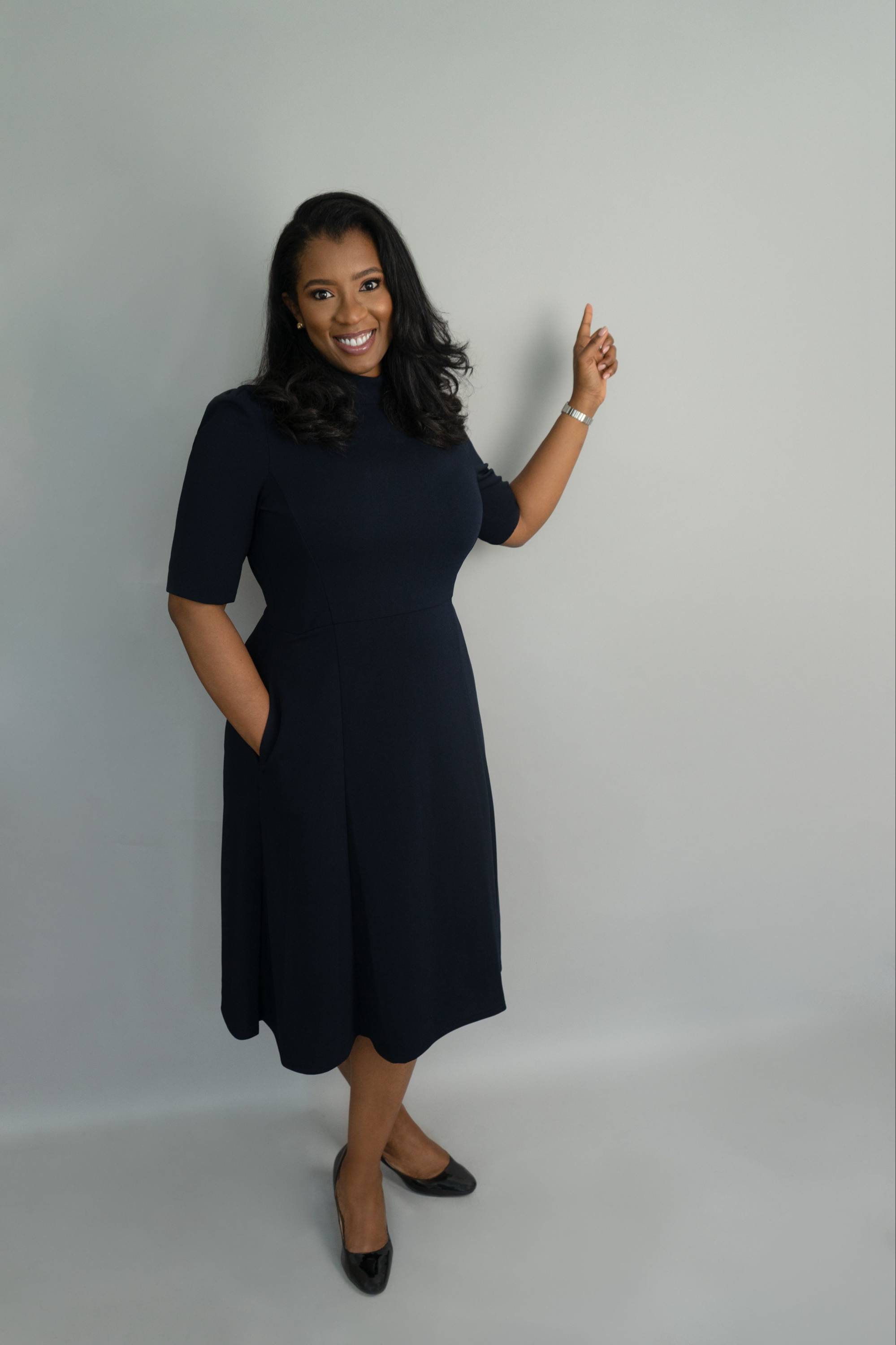
Physician-led, not algorithm-led
Written by Dr. Anya McLaren-Barnett, a pediatric respirologist (pulmonologist) and sleep medicine physician, who founded The Sleep Health Organization and trains clinicians through SHIP®. Too many families are told to wait it out, and too many treatable sleep problems go unnamed. That's the sleep gap. This is how we close it. Read our story

OWL magazine, Owlkids
The Sleep Health Organization in the Insider section, on why having trouble falling asleep is common.
Dr. Anya McLaren-Barnett is one of the physicians behind this health resource for families, written by Black providers.
FREE DOWNLOAD
The pediatric melatonin guide
Melatonin is one of the most common things parents reach for, and one of the least understood. This guide covers what the evidence supports, what it doesn't, and the questions worth asking your doctor. Tell us where to send it.
Sleep is simple. You'll also get evidence-based pediatric sleep tips you can use, straight to your inbox. Unsubscribe anytime.
Resources
For families and sleep enthusiasts
Plain-language articles on the questions parents ask most, as we navigate the world of sleep together.